Thursday, 24 October 2013

Tuesday, 22 October 2013
Monday, 21 October 2013
Class and Status Stereotypes
A stereotypes is a way in which people categorize people due to there similar features and appearance.
Class is a system of separating people within society.
Status is a system of separating people within a specific group or area such as a work place.
There are three main types of class, these are:
 Stereotypes of Middle Class:
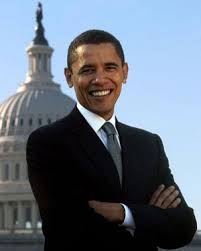 Stereotypes of High Status:
Class is a system of separating people within society.
Status is a system of separating people within a specific group or area such as a work place.
There are three main types of class, these are:
- Working class
- Upper class
- Middle class
Stereotypes of working class:
- Work hard to earn their money
- Low Wage
- Mainly rent houses
- Limited skills and education
- May live in council houses or estates
- Unhygienic
- Poor
- Intelligent
- Hard working
- Highly Educated
- Comfortable lifestyle
- Can have some luxuries and treat them selves

Stereotypes of Upper Class:
- Own their own business
- Rich
- Big House
- Unemployed
- Stuck up
There are two main types of Status, these are:
- High status- When someone is more superior than someone else or a group of people
- Low status- When someone is inferior of others within a group
- Controlling
- Important
- Authoritative
- Demanding
- Experienced
- Tells people what to do
Stereotypes of Low Status
- Inexperienced
- Low authority
- Unimportant
- Blends in within a group
- No control over others
- Receives demands
- Told what to do

Tuesday, 15 October 2013
Age in EastEnders Clip
Initial thought
Firstly from the clip i can tell that the three types of generation are around the table. Patrick being the older generation, Denise and Lucas being being the middles aged and Libby and Chelsea being the younger generation. The representation of age in this clip is shown by the eldest character having the most knowledge from personal experience and it then sharing it with his family. Also amount of knowledge is showing the age of the youngest character as she is able to share information with the family which she has be taught at school. All of the characters in the clip are interested in the topic they are talking about despite them all being of different ages. I can see that the youngest and the oldest around the table are able to relate more as they both seem to have more knowledge than the middle aged characters which is representing middle aged people as not knowing as much as everyone else. This may be because the younger generation are still in education and are learning new things everyday and the older generation would have gained knowledge throughout their life whereas middles aged people haven't been around longer enough to gain there own knowledge and also it has been a while since they have been in education.
Representation of Age can be shown through camera shots, sound, mise-en-scene and editing.
Camera Shots
Several times in the clip the camera pans over all of the characters around the table. This allows you to establish the different ages around the table and what makes them different from each other.


At 16 seconds there is an establishing shot which almost makes Patrick appear to be a the top of the table even though it is round. This is therefor representing his age to have the most authority over everyone else around the table who are all consequently younger than him.

At 23 seconds there is a medium close up which establishes that the one the younger generation characters(Chelsea) is wearing make-up and has large loop earrings in. This is representing her age to care about their appearance and like to wear obvious jewelry. Also in this show you can see that she is wearing a bright blue top which represents her age to be outgoing and not afraid to wear bold clothing.

Lastly at 36 seconds there is a medium close up of Patrick which establishes that he has grey hair, wrinkles and a mustache which is representing his age to be not as worried about appearance as they he is not doing anything to try and hind the wrinkles or grey hair.Whereas the younger generation character(Chelsea) is wearing make up as she is being represented as a person who cares about their appearance.
Sound
At 23 seconds, Chelsea says 'fattening Tuesday' which is representing her age to care about there weight and figure. Also her mum(Denise) calls it 'fat Tuesday' which is also representing her age to care about their weight and figure. Even though both of these characters are of different age groups, they both care about the same thing.Throughout the whole clip Patrick has a strong accent which is different from everyone else in his family. This is representing his age to have more of a cultural background and to have had a different past compared to the younger aged people in his family.

When Chelsea becomes interested in what Patrick has to say here mum Denise questions her by saying 'Chelsea taking an interest in something, how much you had to drink?' This is representing Chelsea's age to usually not be interested in what the older generation have to say hence why her mum is so shocked. Also the fact the what Denise said was sarcastic may be representing her age to use sarcasm to try to be funny.
When Denise says 'I'm glad you asked, I want to know as well', this is representing age in a way in which different age groups can be interested in the same topic.
Mise-en-scene
The mise-en-scene in this clip can easily represent age through each of the characters clothing.

The youngest character( Libby) is wearing glasses but are rather large and could be classes as old fashioned and smart. This could be presenting her age to care less about being on trend but to look smart and well educated. Also she is wearing a dull grey top which is representing her age group to be afraid to show individuality with clothing and that they are not necessarily worried about looking on trend.

The middle aged character Lucas is wearing a dark black top which is representing his age to not be outgoing with clothing and also that they may not have the confidence to wear bright clothes and just want to blend it and get on with life.

On the table you can see that all the characters are drinking alcohol which is representing all the age groups around the table to be allowed to drink alcohol. Patrick is drinking Rum which is different from everyone else. This is representing his age in a way in which they may prefer to drink spirits rather than beer and wine like the younger generation characters are.

Editing
 All of the characters in the clip have the same eye line match. None of the characters look up or down at any other character. This is representing age to not affect a person authority or power over someone.There are short cuts to show the families reactions to what Patrick has said.

Conclusion
Overall in this clip age is represented to have different aspects depending on what age they are however sometimes in the clip all the of the different ages are represented to have an interest in the same topic and react the same towards something they heard. Education and knowledge is a massive representation of age as well as clothing and appearance.
Saturday, 12 October 2013
Audience Theory
In the media there are producers and consumers. The producers are the ones who make the media and the consumers are the readers of the media. Some examples of media text that have producers and consumers are TV Programs, adverts and magazines.
For the producer to get across their message there is a simple communication process
The producer/transmitter must have a message, this is then encoded (for example: English), the message is then said out load which allows the receiver to hear the message. Finally the receiver then decodes the message.
There are some fault with this process such as the message could be decoded in a alternative way in which the transmitter encoded it.
There are three major models on how people consume the media
For the producer to get across their message there is a simple communication process
The producer/transmitter must have a message, this is then encoded (for example: English), the message is then said out load which allows the receiver to hear the message. Finally the receiver then decodes the message.
There are some fault with this process such as the message could be decoded in a alternative way in which the transmitter encoded it.
There are three major models on how people consume the media
- HYPODERMIC NEEDLE
This model explains that people watch/read the media and believe every part of it and every part of each message. This makes the audience passive and almost brainwashes the audience. The theory overall suggest that the audience are being manipulated by the producers of the text and that are behaviour and thinking can be easily changed by the media. Dating from to 1920's, this model was first to attempted to explain how mass audiences might react to mass media.
- 2-STEP FLOW
Paul Lazarsfeld, Bernard Berelson and Hazel Gaudet.....This model explain that opinion leaders in society have seen the media and make up their own opinion whether it be good or bad. The opinion leaders are the active ones however except when the audience have to decide what opinion leader they want to follow which is they then become passive.
- USES AND GRATIFICATION
This model gives the audience a bit more respect as active decision making human beings by allowing them to select what they want to consume rather than them be passive.
Effects
Diversion: Emotion release from daily pressure
Personal Relationship: The discussing of TV with others
Person Identity: Comparing your existence to what you see in the media
Surveillance: Finding out what's going on in the world with things such as newspapers and the internet
In the media there is always a gatekeeper who's role is it decide what is in the media
Mode of address
Mode of address is the way the media addresses the audience whether it formal, informal, direct etc
An example would be the news as they specifically use formal language and have direct eye contact with the camera. This gives the reporter authority. The audiences role is then t learn from the authoritative figure.
Semiotics
Connotation
Mode of address
Mode of address is the way the media addresses the audience whether it formal, informal, direct etc
An example would be the news as they specifically use formal language and have direct eye contact with the camera. This gives the reporter authority. The audiences role is then t learn from the authoritative figure.
Semiotics
The study signs and sign systems which was established by Roland Barthes
Denotation
Denotation
What an image actually shows and is immediately apparent, as opposed to the assumptions an individual reader may make about it.
Connotation
The meaning of a sign that is arrived at through cultural experiences a reader brings to it.
An example of semiotics would be the denotation of empty bottles on a table which then makes the connotation of that the people in the shot must have drank all of the bottles of drink.
An example of semiotics would be the denotation of empty bottles on a table which then makes the connotation of that the people in the shot must have drank all of the bottles of drink.
Oppositional reading
When someone makes a conscious rejection or subversion of the preferred meaning.
Negotiated reading
When someone understands the meaning of the text but it does not relate to them so it is of no interest to decode it.
Aberrant reading
When someone misreads or misunderstands the message the producers are trying to portray. For example, if an older person was the read a teenagers magazine they would misread the message as they are not the target audience.
Tuesday, 8 October 2013
Class and Status in Shameless
Class and Status are shown throughout this clip with the use of shot types, sound, mise-en-scene and editing. Class and status are massively relates to how much money someone has, where they live, the clothes they wear and the way they speak.
My initial thoughts on the class and status in this clip is the main family in the clip are of a low class as they are in a loads of people in the small room within the house. Also the clothes that their dad is wearing appear to be dirty and he also has messy hair. At first the father doesn't seem to have a higher status than his children by the way they are speaking to them which would be seen a disrespectful.
At 6 seconds, there is an establishing shot from the dads point of view which shows a large family who are within a small space in their house. All the features in the room are basic meaning there are no luxuries. This suggest that they are of a low class as they don't have the money to have luxuries and a big enough house for them all. Next there is a pan shot of the children around the table, this shows their reaction to their dad. They seem to be disgraced at their dad which gives him a lower status as they therefore are not respecting him. At 2 minutes 11 seconds there is a medium long shot of all the family standing outside. The clothes that they are wearing are basic and one of them is wearing pyjamas which suggest they are of a low class as high class people wear much more smart clothing and wouldn't dream of wearing pyjamas in public. Lastly in this shot the dad is higher than all rest of the children which shows he has a higher status over his children. However at 2 minutes 59 second a man in a suit enters the shot, he is taller than everyone else which gives he a higher status than anyone else in the family. Towards the end of the clip at 3 minutes 17 seconds there is a high angle shot which shows part of where they are living. In the shot you can see an old dirty chair, and all of the floor seems to be cracked and needs to be cleaned. All these aspect give his family a lower class due to where they are living.


Mise-en-scene
In the clip one of the boys are wearing a hooded jacket and also has very short hair which implies they are from a lower class.Also the dad has long hair which look dirty and messy which also make him seem of a lower class higher class people are seen to take care in their appearance. At 12 seconds you can see the large family sitting around the table which seems to be cramped and fairly small which implies that this family are of lower class as they don't have money to have a big house. The man that enters the clip at 2 minutes 59 second is wearing a suit which automatically gives him a higher status than everyone else. Lastly you the young girl in her pyjamas is holding a baby which appears to be hers. The fact that she is young and has a baby gives her a lower status as she may be seen as vulnerable for having a baby so young. However the baby may not be hers, which may suggest that the family are lacking a mother figure.

There are eye line matches between the children and their father. The fact that the children are having to look up to their dad gives him a higher status than them. From 1 minutes 5 seconds to 1 minute 10 seconds there are several short cuts of the dad pulling insane faces which i feel makes his appear of a lower class as no one of a higher class would dream of doing this is in front of their children.

There is the asynchronous sound of people shouting, which shows that they live in area where all the houses are close as they are able to hear neighbors clearly, this would usually be associated with lower class people. At 35 second you can hear to sound of rustling when the boy stands up which is a diegetic sound, this further implies that they are in a cramped place as they have no where to put everything. This shows the families low class as they can not afford to have a big enough house. There is synchronous sound which can show class and status. The boy says ' bollocks' to his dad at 17 seconds, this is him disrespecting his dad therefore not giving the dad a higher status like a parent would have. Lastly at the very start of the clip there is non-diegetic sound of mood music which is very calm and relaxed. The fact that it is played when the dad walks down the stair shows he doesn't care about the way he lives which is suggesting his is of a lower class.

Overall there are many things that show the class and status of the characters in the clip. The family come across as low class however the producer does not want the audience to sympathies with the family but make their life appear humorous. The children look up to their dad however they seem disappointed with him by the way they talk to him.
The Stereotypes of a Working class/Lower class person are that they may live in a council house or estate, have limited skills and education, unhygienic, poor and have a low wage. This clip therefore confirms the stereotypes of working class/lower class people as the house in the clip is messy and dirty and doesn't have any luxuries which is due to them being on a low wage and being unhygienic. Also none of the characters in the house seem to look like they are in a high earning job due to the clothes they are wearing. The man in the suit in the clip confirms the stereotype of a middle class person as he appears to have a comfortable lifestyles and is able to afford a suit. Status in this clip is confirmed as the main with the suit appears to be of a high status and he matches the stereotypes of a high status such as important and experienced. However the dad in the clip challenges the stereotypes of high status person. As he is the dad he would usually have a higher status than he children however he does not demanded the children to do anything or appear more experienced, in fact he appears reckless and not respected by his children.
Tuesday, 1 October 2013
Gender
Representations of gender is just just as simple as male and female however it is how masculine and feminine is presented throughout a clip. In this clip there are representations of a stereotypical feminine women and a stereotypical masculine man although at some stages in the clip they can be different from what we expect.
At the very start of the clip, there is a medium close up which establishes that the women is wearing make-up. This straight away gives her a feminine aspect as she is taking care of what she looks like. This feminine aspects is also shown in both women in the shop as they are both wanting to buy a dress to look good and impress someone else. Lastly this feminine aspect is shown by the woman wearing a skirt suit which shows some leg however portrays her as a classy women meaning she worries about what she looks like. In comparison to this the man is the shop is covered up completely implying that it is masculine to be covered up and feminine to show some skin. When the younger woman walks up the starts this in an action match as in the next shot she is on the shop floor, the fact that she is going shopping is a feminine aspect as women are more likely to go shopping than men.


When the man employee is talking to the older customer, a high over the shoulder shot has been used. This then makes the women seem lower status than the man showing that is it a masculine thing to be dominant over women and that they are seen as more powerful. At this point of the clip there is an eye line match between the man and the costumer to establish that he is looking down at the woman to show his masculine authority, on the other hand the women is looking up to show that femininity has a lower status and authority. While this is going on the other woman in the background keeps looking over as if she is turning her nose up at the other women not being able to afford the dress. This could be seen as feminine as she is judging the other women. There is a synchronous sound of the man putting the coat hanger back on the rail. The man took the dress of the woman almost as if she did not have the authority to hold an expensive dress showing masculinity to have more authority over femininity.


The dress that the women is buying is backless which adds femininity to it as it is showing a lot of flesh. There is a tilt shot which goes up the woman's figure and the dress which show the glamour of the dress and how expensive it is going to be due to the diamonds on it. The women falls in love with the dress even though it cost £3000 which shows the feminine aspect of willing to pay unbelievable amounts on clothes to look good.


The shop employee is a man who is working in a women's shop which is usually a feminine job. Further more the employee is very gentle with his word when talking to the women in the shop and tries to relate to her by finding her the perfect dress. The man skips away in excitement to find the dress, the action of skipping would be seen as a feminine action to do. When the man skips away he lets out a little cheer which is a synchronous sound, this shows a feminine aspect as this is seen as girly.
There is then a straight cut to a medium shot two men in a bar. Both men are drinking whisky which is a masculine drink as it is seen to put 'hairs on your chest'. They are having a conversation about business which is seen as a masculine industry as you need to be strong minded and powerful. The eldest man is wearing a suit which further implies that he is high status which is shown through being masculine. There is mellow music in the background in this part of the clip which shows that to be masculine, you are much calm as shown by the two men relaxing in the gentle mans club.


Next in the part of the clip the women all of a sudden starts to panic that she has lost her wedding ring, she then starts to frantically search the shop. This indicates the feminine aspect of being over dramatic in situations when you should remain calm. The man in the shop then tries to reassure the woman by giving her a solution which is a feminine aspects as he is being understanding towards the woman.

Next in the clip, there is a medium shot which shows a many fixing a alarm. The fact that he is fixing it would make him come across as masculine. Further more he is also on the phone at the same time which implies the masculine aspect of being able to multi task.

The mise-en-scene in this clip is shown in the different sets in the clip. Firstly you can see that in the shop there are minimal amounts of clothes which may be suggesting that the shop is more about quality than quantity. The employee in the shop is wearing a suit which gives him a high status in the shop, this is unusual as you would assume it would be feminine to have a high status in a women's shop. The youngest woman in the shop is wearing a diamond ring which look very expensive suggesting that she is wealthy, this shows femininity in a way in which diamonds would be usually worn by women rather than men as it is seen as not masculine. When the women says 'my husband will kill me' when she losses her ring this may be suggesting that her husband has more power than her which shows masculinity is to have power over your partner.


At the end of the clip there is a reverse shot/ reverse of the two people having the conversation.When the shots take place the man and the women remain on the same side of the screen to make it transaction look clean cut and realistic. This conversation then establishes that the man and the women have set up the man in shop into giving them £1500, this is a twist on what we would expect to be a masculine thing to do however the women played a massive part in creating the con.


Overall gender is shown throughout the whole of the clip which can be shown through camera shot, sound, editing and mise-en-scene. Femininity and masculinity have both been shown in men and women throughout the clip however they have not always been where i would have expects which creates a twist on reality.
Subscribe to:
Comments (Atom)